
What to Know Before You Buy Land in Sonoita, Elgin, or Patagonia: A Builder's Guide
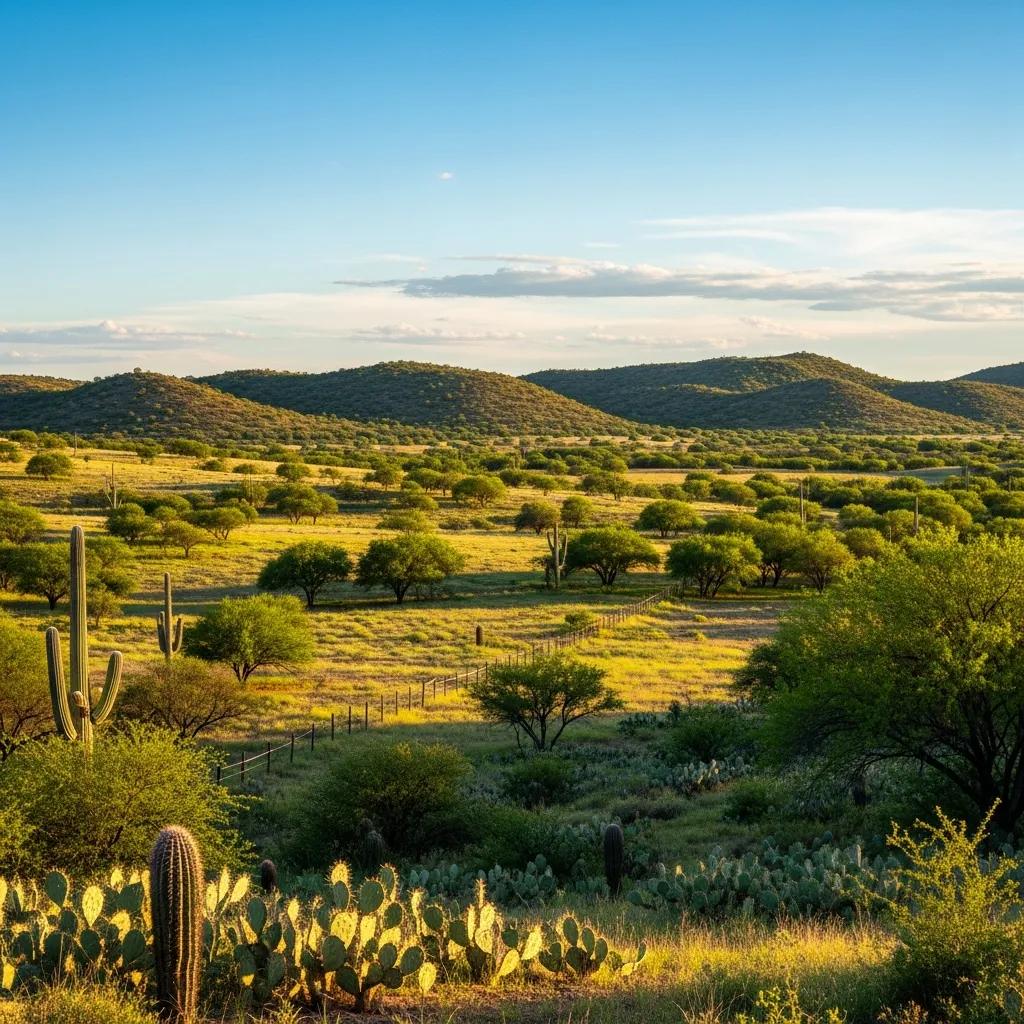
Purchasing land in rural Southern Arizona especially in areas like Sonoita, Elgin, and Patagonia, requires careful consideration of several important factors. These regions offer beautiful landscapes and strong potential for custom home builds, but they also come with unique challenges related to zoning, site preparation, and construction logistics. This guide is designed to help buyers better understand the land acquisition process, including legal regulations, environmental considerations, and what to expect when preparing for a custom home build. Taking the time to evaluate these elements upfront can help you make informed decisions and avoid costly setbacks later on.
Essential Land Buying Considerations in Rural Southern Arizona
Before moving forward with a land purchase, it’s important to evaluate how the property aligns with your intended use. Local zoning laws play a major role in determining what can and cannot be built, impacting everything from residential development to agricultural use. Buyers should also be aware of permitting requirements, as failing to secure the proper approvals can delay construction or create legal complications.
In addition to zoning, buyers should carefully assess:
- Land suitability for building, including terrain and soil conditions
- Legal considerations tied to property use and development
- Long term value based on location and accessibility
These factors not only influence feasibility but also the overall success of your investment.
Rural Arizona Land Development & Planning Trends
rural land development in Cochise County, Arizona. We summarize population and residential development trends across the county and provide a detailed analysis of land
Land use planning and exurbanization in the rural mountain west: evidence from Arizona, JI Carruthers, 2000
Legal, Zoning, Water Rights, and Environmental Factors
Understanding zoning laws in Sonoita, Elgin, and Patagonia is critical before purchasing land. These regulations dictate allowable land use and can directly impact your ability to build. In many cases, additional permits are required for construction, and overlooking these requirements can lead to delays or additional costs. Water rights are another key consideration in rural Arizona. Access to water is essential for both residential use and land value, and buyers should verify availability before purchasing. Environmental regulations may also apply, particularly in areas with sensitive ecosystems, which can limit development options or require additional approvals. Taking a proactive approach to these legal and environmental factors helps ensure a smoother path from land purchase to construction.
Arizona Rural Housing: Zoning & Subdivision Costs
codes have much less impact on new housing costs compared to other regulations, such as zoning and subdivision requirements
Rural housing and code enforcement: Navigating between values and housing types, E Rosser, 2006
Site Preparation, Terrain, and Utility Planning
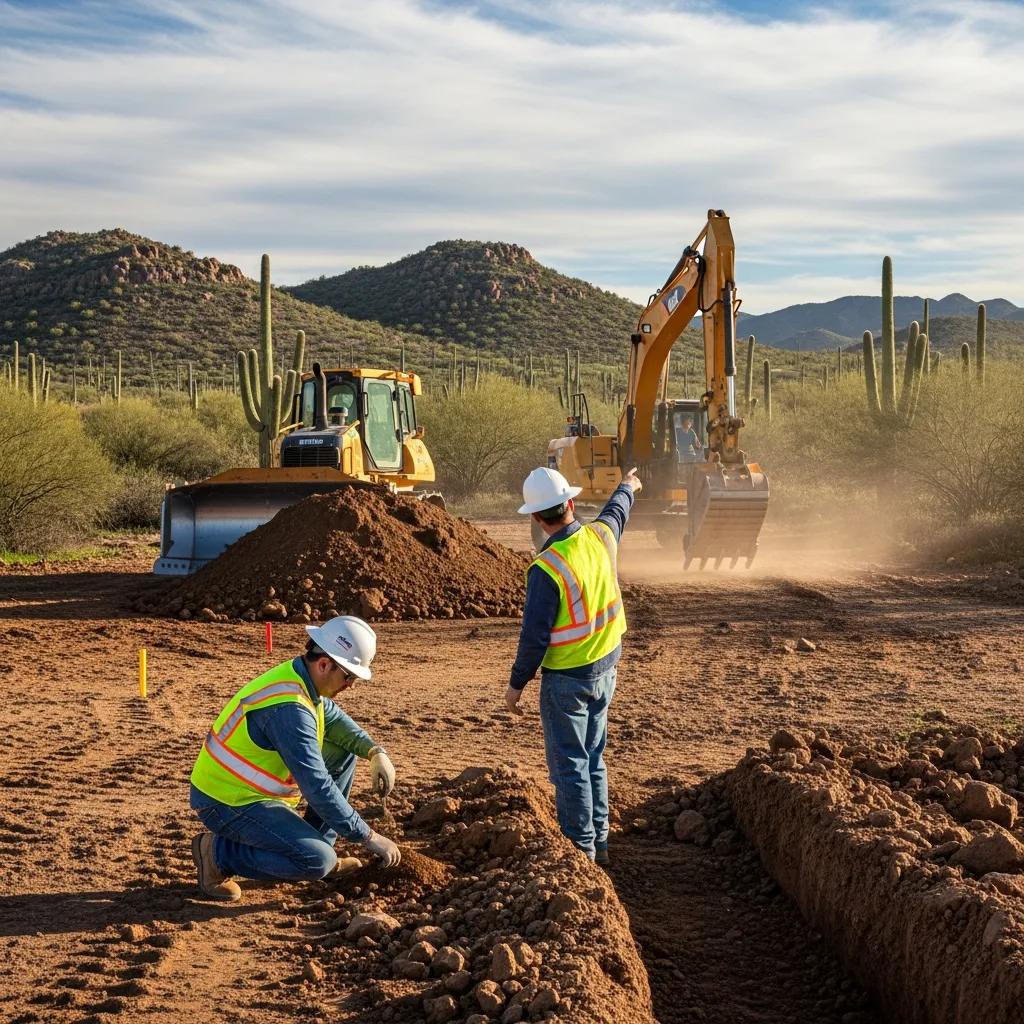
Preparing land for construction in rural Southern Arizona involves more than simply clearing space for a home. Site preparation requires careful planning, including land assessment, soil testing, and grading to ensure the property can support a stable structure. Terrain plays a significant role in this process. Uneven ground, drainage concerns, and utility access all need to be addressed early in the planning phase. Proper coordination of utilities such as water, electricity, and septic systems is especially important in rural areas where infrastructure may not already be in place. Addressing these challenges early helps prevent delays and ensures a more efficient building process.
Once the site is properly prepared, the next phase focuses on the design and construction of the home itself. Building a custom home in Southern Arizona typically involves several stages, including initial consultation, design, and full project management through construction. Each phase requires coordination between the homeowner, builder, and any necessary specialists. Architectural styles in the region are often designed to complement the surrounding environment while improving energy efficiency. Common approaches include adobe, ranch, and contemporary designs that reflect the local landscape and climate.
Construction timelines can vary depending on the complexity of the project, but most custom builds take several months to complete. Throughout this process, clear communication and structured project management are essential to keeping everything on track. The local terrain significantly influences construction planning and utility coordination. Factors such as drainage considerations and the need for utility trench planning must be taken into account. Properly assessing the terrain can help ensure that utilities are installed efficiently and that the home is built to withstand local environmental conditions.
Custom Home Design and Construction Process
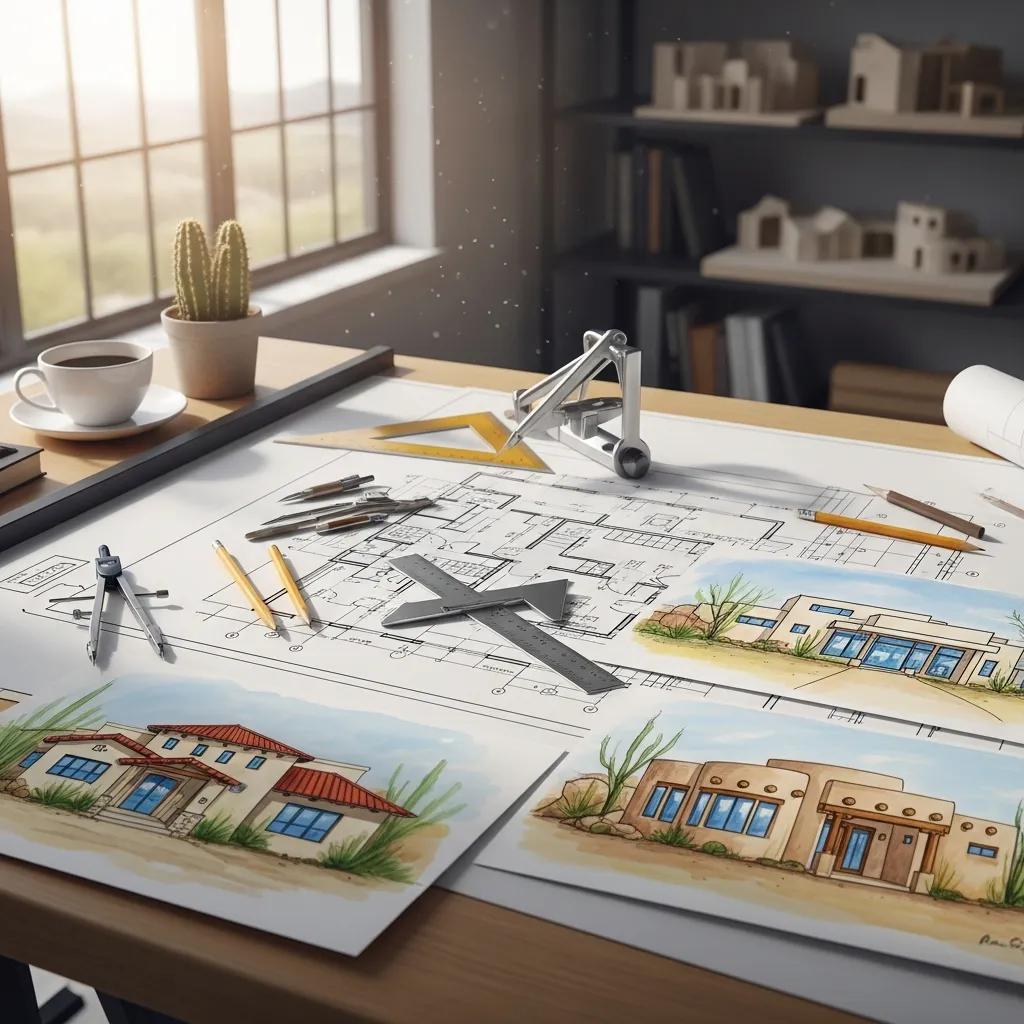
Architectural styles in Southern Arizona often reflect the region’s unique environment and climate. Sustainable design features are commonly incorporated to enhance energy efficiency and reduce environmental impact. Popular architectural styles may include adobe, ranch, and contemporary designs that harmonize with the natural landscape.
The construction timeline for custom homes in rural Arizona typically spans several months, depending on the complexity of the project. Effective project management is crucial to ensure that each phase of construction is completed on schedule. Homeowners should expect regular updates and communication from their builders to stay informed throughout the process.
Why Choose Arizona Sawmill Builders LLC
Choosing the right builder is essential for a successful custom home project. Arizona Sawmill Builders LLC specializes in custom home building in rural Southern Arizona, focusing on areas including Sonoita, Elgin, and Patagonia. Their expertise in architecture, engineering, and site planning ensures that clients receive comprehensive support throughout the building process. With a commitment to craftsmanship and attention to detail, Arizona Sawmill Builders positions itself as a trusted partner for those looking to create high quality custom homes in this region. Their experience working in rural Southern Arizona allows them to navigate local regulations, terrain challenges, and site planning requirements with a high level of precision.
Frequently Asked Questions
What financing options are available for purchasing land in Southern Arizona?
When purchasing land in Southern Arizona, buyers can explore several financing options. Traditional bank loans, land loans, and owner financing are among the most common. Land loans often require a larger down payment compared to conventional home mortgages, as lenders typically view land purchases as higher risk. Some buyers may also choose to use personal savings or investment funds. Comparing interest rates and loan terms across lenders is essential to finding the best option for your financial goals.
Are there any specific environmental regulations to be aware of when buying land?
Yes, environmental regulations can significantly impact land purchases in Southern Arizona. Buyers should be aware of laws related to land use, wildlife protection, and water conservation. For example, properties located near protected habitats may have development restrictions. Conducting an environmental assessment can help identify potential issues early and ensure compliance with local regulations, reducing the risk of future legal complications.
What are the common pitfalls to avoid when buying land in rural areas?
Common pitfalls include failing to perform proper due diligence, overlooking zoning restrictions, and not verifying access to utilities. Buyers should also avoid purchasing land without a clear understanding of water rights or environmental limitations. Additionally, ignoring the long-term development potential of the area can lead to costly mistakes. Working with local professionals such as real estate agents or land planners can help reduce these risks and support a more informed purchase.
How can I determine the best location for my custom home?
Choosing the right location involves evaluating factors such as proximity to amenities, access to utilities, and the surrounding landscape. Buyers should also consider climate conditions, views, and future development in the area. Assessing the land’s topography and soil quality is especially important, as these directly impact construction feasibility. Visiting the property at different times of day can provide additional insight into sunlight exposure, noise levels, and overall livability.
What should I know about utility access when buying land?
Utility access is a critical factor when purchasing land in rural Southern Arizona. Buyers should confirm the availability of essential services such as water, electricity, and sewage systems before finalizing a purchase. In some cases, connecting to these utilities may involve additional permits, infrastructure work, and costs. It’s also important to consider alternative solutions such as septic systems or solar power if traditional utilities are not readily accessible. Consulting with local utility providers can help clarify requirements and potential expenses.
What role does local community play in the land buying process?
The local community can play an important role in shaping your experience as a landowner. Connecting with neighbors and local organizations can provide valuable insight into regional regulations, development trends, and day to day living conditions. Community engagement can also help identify potential challenges or opportunities related to land use. Building relationships early on often makes the transition to rural living smoother and more informed.
