
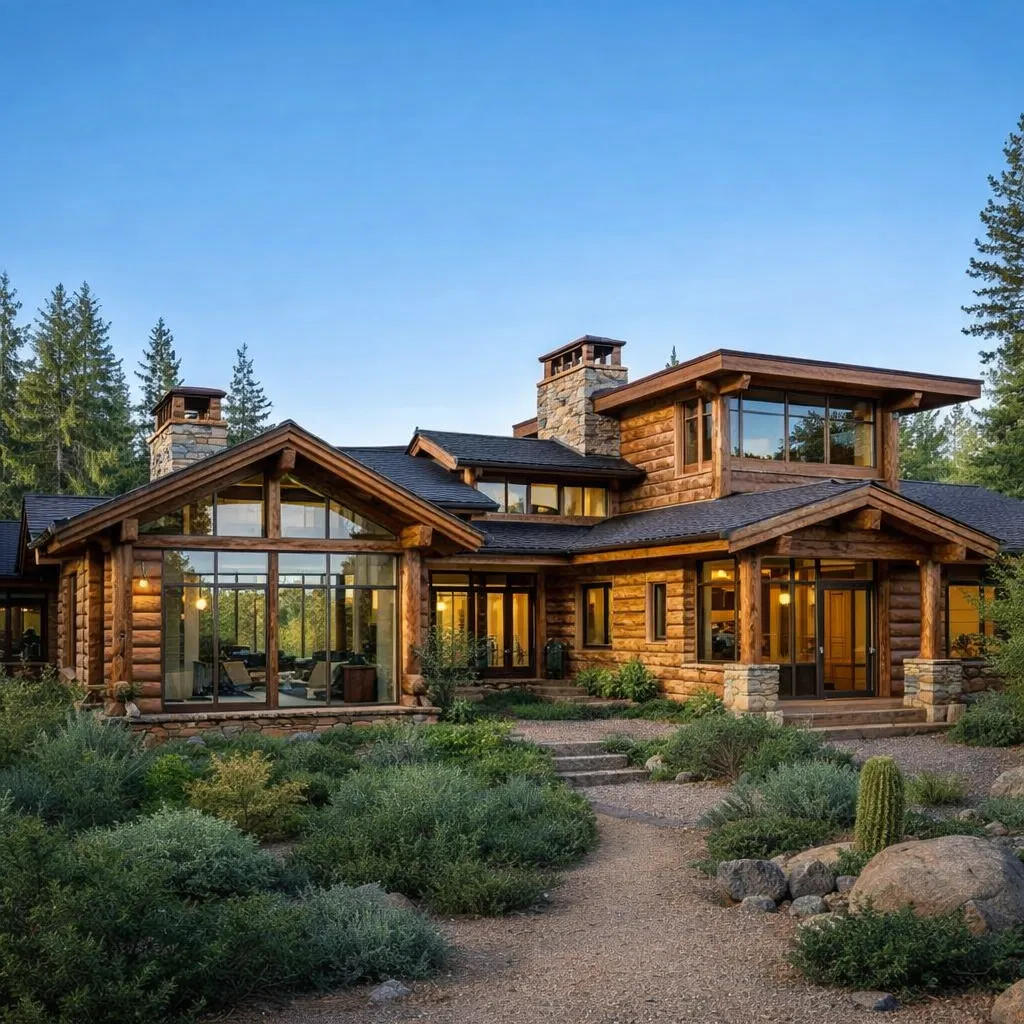
Building a custom home in Arizona is an exciting venture that allows landowners and buyers to create a space tailored to their unique needs and preferences. This comprehensive guide will walk you through the essential steps involved in the custom home building process, from initial planning to final construction. Many prospective homeowners face challenges such as navigating zoning regulations, understanding the necessary permits, and ensuring that their designs are suitable for Arizona’s climate. By following this guide, you will gain valuable insights into how to successfully build a custom home in Arizona, including key considerations for design, energy efficiency, and site preparation. We will cover essential planning steps, land acquisition, architectural styles, and the construction process, ensuring you are well-equipped to embark on this journey.
Key Takeaways
- Building a custom home in Arizona involves careful planning and understanding of local regulations.
- Defining your vision and budget is crucial for guiding the custom home building process.
- Acquiring land requires understanding zoning regulations and obtaining necessary approvals.
- Essential permits include building, zoning, and utility connection permits for compliance.
- Designs must adapt to Arizona’s climate, focusing on energy efficiency and sustainability.
- Popular architectural styles in Southern Arizona include Spanish Revival and Modern Southwestern.
- Soil testing and grading are critical for ensuring a stable foundation in desert environments.
- Coordinating utilities and infrastructure is vital for a smooth home building process.
- High-quality materials and skilled craftsmanship ensure the longevity of custom homes.
What Are the Essential Planning Steps for Building a Custom Home in Southern Arizona?
The planning phase is crucial for a successful custom home project. It involves several key steps that help define your vision and set a solid foundation for the entire process.
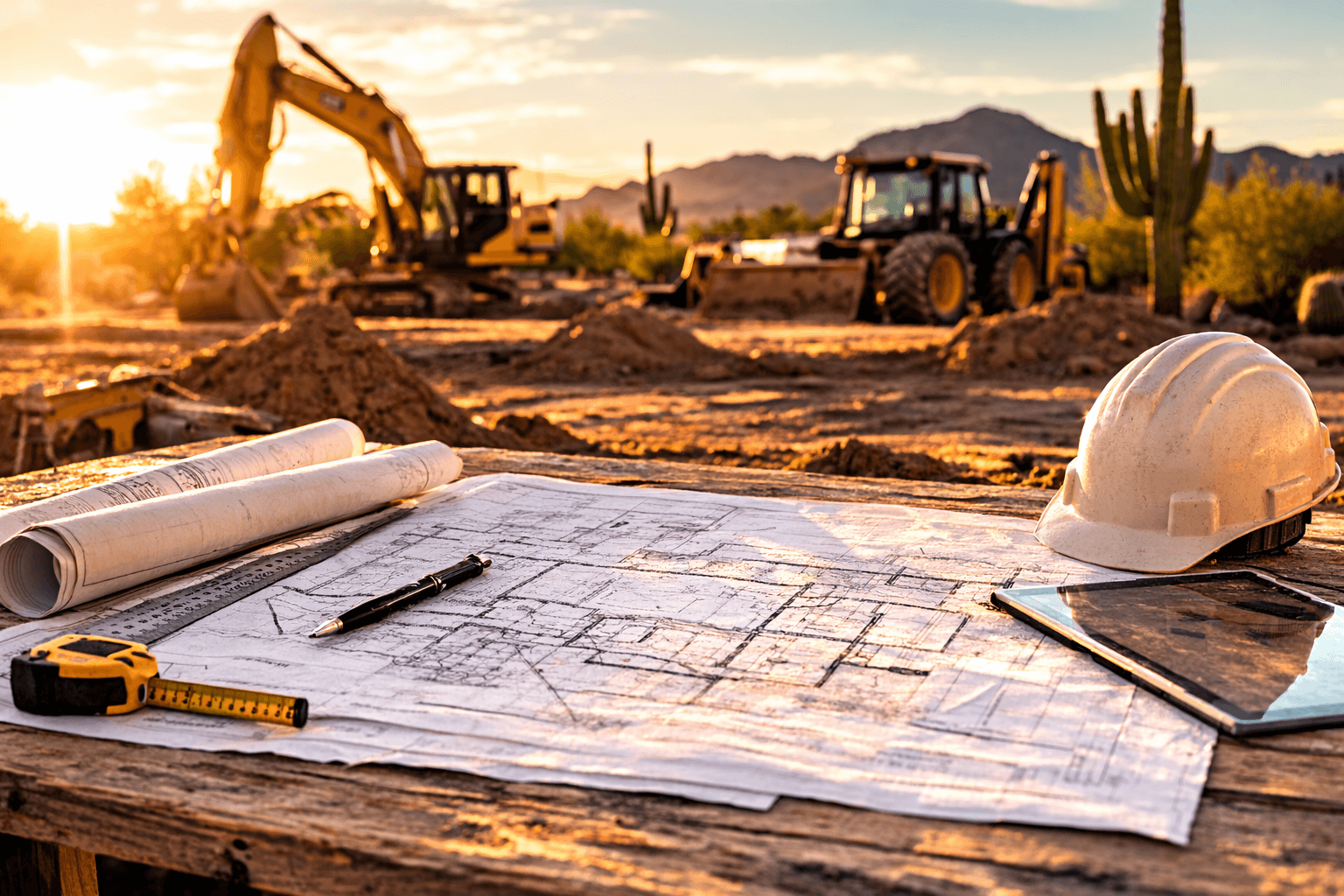
- Define Your Vision and Budget: Start by outlining what you want in your custom home, including size, style, and features. Establishing a realistic budget is essential to guide your decisions throughout the project.
- Consult with Builders: Engaging with a reputable builder early in the process can provide valuable insights and help refine your plans. Ensure your builder is experienced in custom home construction and can assist you in navigating the complexities of the building process.
- Obtain Necessary Permits: Before construction begins, ensure you have all required permits. This includes building permits, zoning permits, and utility connection permits, which are essential for compliance with local regulations.
These steps lay the groundwork for a successful custom home project, leading to the next critical phase: acquiring land and understanding “zoning regulations”.
How to Acquire Land and Understand Zoning Regulations in Arizona?
Acquiring land for your custom home involves several important considerations, particularly regarding zoning regulations that dictate what can be built on a specific parcel of land.
- Initial Review and Documentation: Begin by researching available land in your desired area. Review property listings and gather documentation related to zoning and land use.
- Application Preparation: Once you identify a suitable parcel, prepare the necessary applications for zoning approval. This may involve submitting plans and specifications to local authorities.
- Agency Coordination: Work closely with local zoning agencies to ensure compliance with all regulations. This step is crucial to avoid delays or complications during the building process.
Understanding these aspects will help you secure the right land for your custom home, leading to the next step: obtaining the necessary building permits.
Which Building Permits Are Required for Custom Homes in Arizona?
Building a custom home in Arizona isn’t just about design and construction—it also requires the right permits to make sure everything is safe, legal, and up to code. While your builder will typically handle most of this process, it’s helpful to understand what’s involved.
- Building Permits: This is the main permit required for any new home construction. It ensures your home’s structure meets all local safety and building code requirements.
- Zoning Permits: Before building begins, your plans must align with local zoning rules. This includes things like property setbacks, building height, and how the land can be used.
- Grading and Drainage Permit: Arizona’s unique desert conditions and flash flood risks, proper grading is essential. This permit ensures your property is prepared to handle water runoff and prevent drainage issues.
- Utility Connection Permits: Because of Arizona’s unique desert conditions and flash flood risks, proper grading is essential. This permit ensures your property is prepared to handle water runoff and prevent drainage issues.
- Mechanical, Electrical, and Plumbing (MEP) Permits: These permits cover the core systems inside your home like HVAC, wiring, and plumbing. To ensure everything is installed safely and correctly
- Fire Department Approval (if required): In some areas, especially rural or wildfire-prone regions, additional approvals may be needed to meet fire safety requirements.
Securing these permits is a critical step in the home building process, ensuring that your project adheres to all legal requirements. At the end of the day, working with a licensed Arizona contractor (ROC #325773 | ROC #329217) helps ensure all permits, inspections, and approvals are handled properly—so you can focus on bringing your custom home to life.
How Does Design and Architecture Adapt to Arizona’s Unique Climate and Styles?
Designing a custom home in Arizona requires careful consideration of the local climate and architectural styles. Arizona’s hot, arid climate necessitates specific design adaptations to enhance comfort and energy efficiency.
- Site-Specific Designs: Homes should be designed to take advantage of natural ventilation and shade. This can include strategic placement of windows and overhangs to minimize heat gain.
- Sustainable Design Features: Incorporating sustainable materials and energy efficient systems, such as solar panels and high performance insulation, can significantly reduce energy consumption.
- Collaboration with Clients: Working closely with clients to understand their preferences and lifestyle can lead to more personalized and functional designs.
These design considerations are essential for creating a comfortable and efficient living space in Arizona’s unique environment.
What Are the Popular Residential Architectural Styles in Southern Arizona?
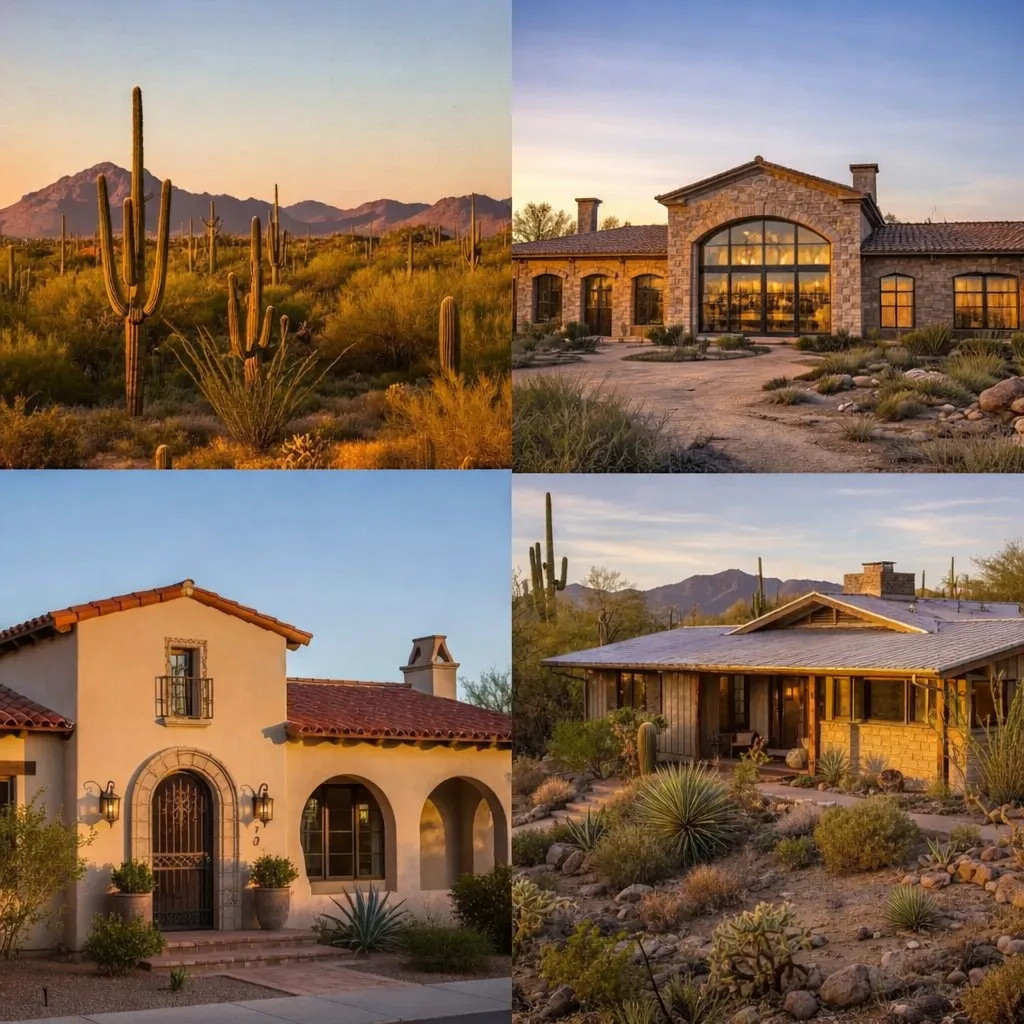
Southern Arizona boasts a variety of architectural styles that reflect its rich cultural heritage and natural surroundings. Some popular styles include:
- Spanish Revival: Characterized by stucco exteriors, red tiled roofs, and arched doorways, this style is deeply rooted in Arizona’s history.
- Modern Southwestern: This style combines contemporary design elements with traditional Southwestern features, often incorporating large windows and open floor plans.
- Ranch Style: Known for its single-story layout and integration with the landscape, ranch style homes are popular for their spaciousness and functionality.
Understanding these architectural styles can help you choose a design that resonates with your vision for your custom home.
How to Incorporate Energy Efficient Features in Your Custom Home Design?
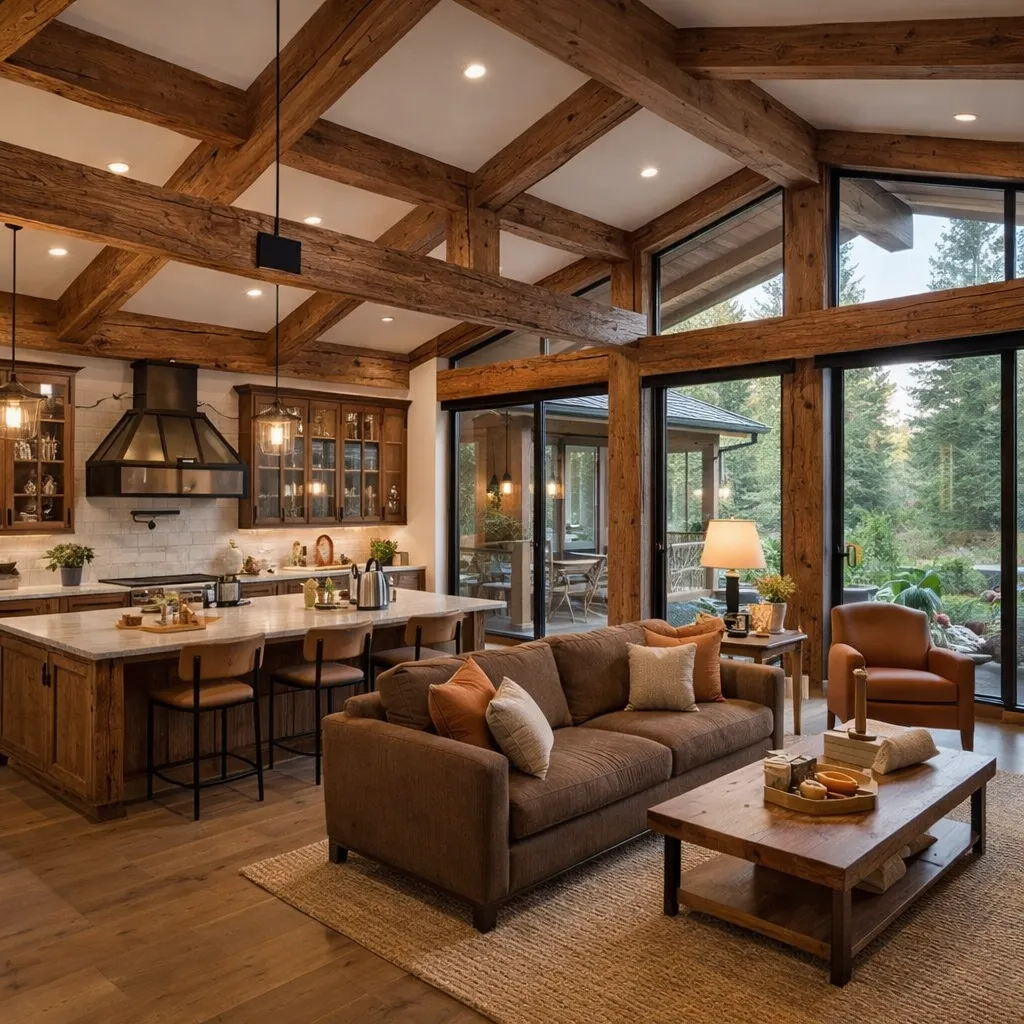
Energy efficiency is a key consideration in modern home design, particularly in Arizona’s climate. Here are some strategies to incorporate energy efficient features into your custom home:
- Site-Specific Design: Position your home to maximize natural light while minimizing heat gain. This can include strategic window placement and the use of overhangs.
- Energy-Efficient Appliances: Select appliances that are ENERGY STAR certified to reduce energy consumption and lower utility bills.
- Renewable Energy Sources: Consider installing solar panels to harness Arizona’s abundant sunlight, providing a sustainable energy source for your home.
By integrating these features, you can create a home that is not only comfortable but also environmentally friendly.
What Are the Key Engineering and Site Preparation Considerations for Arizona Homes?
Engineering and site preparation are critical components of the custom home building process. Key considerations include:
- Grading and Drainage: Proper grading ensures that water drains away from the foundation, preventing potential flooding and structural damage.
- Soil Compaction: Testing and compacting the soil is essential to provide a stable foundation for your home.
- Erosion Control: Implementing erosion control measures can protect your property from soil loss and maintain the integrity of your landscaping.
These engineering considerations are vital for ensuring the long term stability and safety of your custom home.
Why Is Soil Testing and Grading Critical for Desert Home Construction?
Soil testing and grading are essential steps in the construction of homes in desert environments. Understanding the soil composition and stability is crucial for several reasons:
- Soil Composition and Stability: Testing helps determine the soil’s load bearing capacity, which is vital for designing a safe foundation.
- Drainage Management: Proper grading ensures that water flows away from the home, reducing the risk of flooding and erosion.
- Foundation Support: A well prepared site with appropriate grading provides a solid base for the foundation, ensuring the longevity of the structure.
These factors highlight the importance of thorough soil testing and grading in the construction process.
How to Coordinate Utilities and Infrastructure for Custom Homes in Arizona?
Coordinating utilities and infrastructure is a critical step in the custom home building process. Here are the key steps involved:
- Site Assessment and Planning: Conduct a thorough assessment of the site to determine the best locations for utility connections.
- Permitting and Scheduling: Obtain the necessary permits for utility installations and create a timeline for when these services will be connected.
- Final Inspection and Hookup: Ensure that all utilities are properly installed and conduct a final inspection to confirm that everything is functioning correctly.
Effective coordination of utilities is essential for a smooth transition into your new home.
What Does the Arizona Home Construction Process Involve from Start to Finish?
The home construction process in Arizona involves several key phases, each critical to the successful completion of your custom home:
- Initial Consultation and Design Alignment: This phase involves discussing your vision with your builder and aligning on design elements.
- Foundation and Framing: Once designs are finalized, the foundation is laid, followed by the framing of the home.
- Final Walkthrough and Delivery: After construction is complete, a final walkthrough ensures that everything meets your expectations before you take possession.
Understanding this process helps you navigate the complexities of home construction effectively.
Which Materials and Craftsmanship Standards Ensure Long Lasting Homes?
Selecting the right materials and adhering to high craftsmanship standards are essential for building durable homes. Key considerations include:
- Quality Materials: Using high quality materials, such as durable roofing and siding, can significantly extend the lifespan of your home.
- Skilled Craftsmanship: Employing experienced builders ensures that construction meets industry standards and best practices.
- Quality Checks: Regular inspections during construction help identify and address any issues early, ensuring a high quality final product.
These factors play a key role in ensuring the longevity, durability, and overall performance of your custom home. To learn more about the materials we offer and which options are best suited for your project, connect with an Arizona Sawmill Builder specialist. Our team can provide expert guidance to help you make the right choices for your future home.
What Are Typical Timelines and Client Involvement During Construction?
Understanding the typical timelines and levels of client involvement during construction can help set realistic expectations. Key points include:
- Typical Construction Duration: The construction of a custom home typically takes 8-12 months, depending on the complexity of the design and site conditions.
- Client Involvement Stages: Clients are usually involved in key decision-making stages, including design approvals and material selections.
- Regular Updates: Builders should provide regular updates to keep clients informed about progress and any potential delays.
Understanding these timelines and levels of involvement can significantly improve your overall experience throughout the construction process. Clear and consistent communication is maintained every step of the way, ensuring you’re never left guessing or lost in translation. You’ll always have a clear understanding of where your project stands, what to expect next, and how your timeline is progressing.
